
Introduction
Different parts of a plant serve different roles in traditional herbal systems. Roots, leaves, and resins are not interchangeable. Each has distinct characteristics and traditional applications.
Understanding these differences improves clarity and responsible use.
Roots and Rhizomes
Roots are often valued for depth and strength. Because they grow beneath the soil, they are traditionally associated with concentrated properties.
They are typically:
- Used in powdered or decoction form
- Consumed in measured quantities
- Approached with moderation
Roots are rarely treated casually.
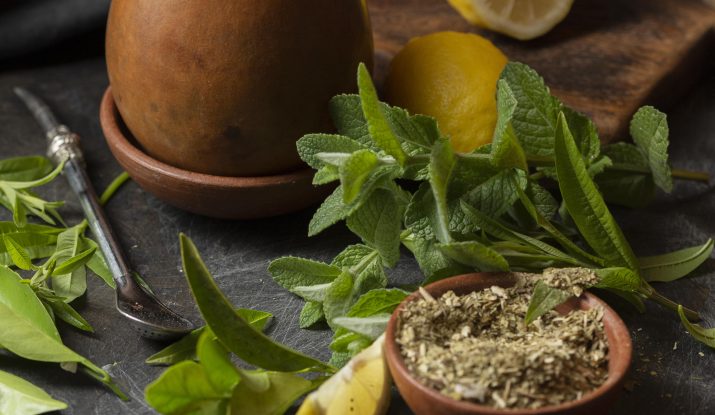
Leaves and Teas
Leaves are often milder and more suitable for gradual integration.
Leaf-based botanicals:
- Are commonly brewed as teas
- May be used more regularly
- Tend to support balanced routines
However, even leaves require awareness of quantity.
Resins and Minerals
Resins are naturally occurring plant exudates or mineral-rich substances. Traditionally, they are:
- Used sparingly
- Taken in small amounts
- Valued for specific contexts
Their strength demands restraint.
Why Plant Parts Matter
The part of the plant used influences:
- Potency
- Preparation method
- Frequency of use
Responsible herbal practice recognises these distinctions.
Conclusion
Roots, leaves, and resins each occupy a distinct place in traditional herbal systems. Understanding their differences ensures more disciplined and informed natural wellness practices.
Comments (3)
Riva Collins
It’s no secret that the digital industry is booming. From exciting startups to need ghor
global and brands, companies are reaching out.
CaseThemes
It’s no secret that the digital industry is booming. From exciting startups to need ghor global and brands, companies are reaching out.
Oliva Jonson
It’s no secret that the digital industry is booming. From exciting startups to need ghor global and brands, companies are reaching out.